If your car has started hesitating, slipping, or clunking when it shifts, it’s easy to feel a little panicked. Transmission repair has a reputation for being one of the most expensive jobs a vehicle can need, but for Wichita drivers, many shifting problems come down to something far simpler than a full replacement.
At Affinity Automotive Services, the key to saving you money and stress is thorough transmission testing, an overall health evaluation that pinpoints exactly what’s going on before anyone recommends a repair plan.
Why Transmission Health Matters for Wichita’s Fall Driving Season
Fall means more time behind the wheel for most Wichita families, and that extra driving puts real strain on a transmission that may already be struggling:
- School pickups and drop-offs, after-school activities, and weekend trips all add extra miles to your daily driver
- Kansas weather starts to swing this time of year, adding even more stress to a system that’s already working hard
- Your transmission manages how power moves from your engine to your wheels through a complex system of fluid pressure, sensors, and clutches.
- When even one small piece of that system falls out of range, you’ll feel it in how your car shifts
- Catching a small issue early, before it becomes major internal damage, is one of the biggest favors you can do for your family’s budget
Get shifting concerns looked at as soon as you notice them, rather than waiting to see if they go away on their own.
Common Signs of a Failing Transmission
A failing transmission usually gives you warning signs before it turns into a breakdown. Here’s what to keep an ear and eye out for:
- Slipping between gears, or the engine revving without the car accelerating as expected
- Delayed or hard shifting, especially from park into drive or reverse
- Grinding, whining, or clunking noises during gear changes
- A burning smell, which often points to overheating transmission fluid
- Fluid spots under the vehicle that look pink, red, or brown
- The check engine light or a transmission-specific warning light coming on
- A jerking or shuddering feeling when accelerating from a stop. In newer vehicles, that shudder can also show up while towing a trailer or holding a consistent highway speed, and it’s just as worth having checked
If any of these sound familiar, it’s a good time to schedule a transmission health evaluation. The sooner a technician gets eyes on the issue, the more options you’ll typically have for a straightforward, affordable fix.
How a Transmission Health Evaluation Works in Wichita
A transmission health evaluation at Affinity Automotive Services isn’t just a quick scan for stored codes. It’s a thorough, multi-step look at how your transmission is actually functioning, so we’re finding the real source of the problem instead of guessing at it.
Here’s what that process generally looks like:
- Road testing: A technician drives the vehicle to feel exactly when and how the shifting issue happens.
- Fluid condition check: We look at the color, smell, and level of your transmission fluid, which tells us a lot about internal wear.
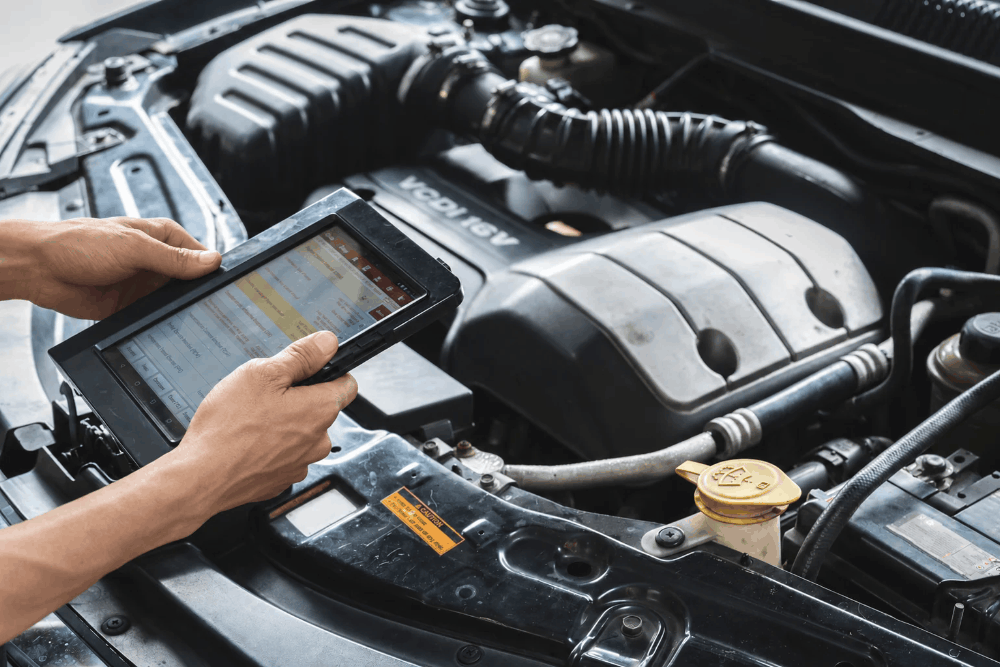
- Electronic testing: Using factory-level scan tools, we read sensor data and stored codes to narrow down the source of the problem.
- Sensor and component evaluation: Speed sensors, solenoids, and other electrical components are tested individually since they’re common (and much less expensive) culprits behind shifting problems.
That kind of testing is often the difference between paying for a full transmission replacement and paying for a single sensor or a fluid exchange. A worn speed sensor can mimic the exact same symptoms as serious internal transmission damage, and only real testing tells the two apart. The goal is finding the precise issue, so you’re only paying to fix what’s actually wrong.
Repair, Rebuild, or Replace: Making the Right Call
Once testing is finished, you’ll usually be looking at one of a few paths forward. Every situation is different, which is why the recommendation is customized for your specific vehicle rather than a generic quote.
- Repair: Addresses a specific failed part, like a sensor, solenoid, or seal, without touching the rest of the transmission.
- Rebuild: Involves taking the transmission apart to replace worn internal components while reusing the housing and other functional parts.
- Replacement: Installs a new or remanufactured transmission when internal damage is extensive enough that a rebuild wouldn’t be cost-effective.
Your mileage, vehicle age, and maintenance history all factor into which option makes the most sense. A good technician walks you through what testing found and why, so the decision is yours to make with clear information in hand.
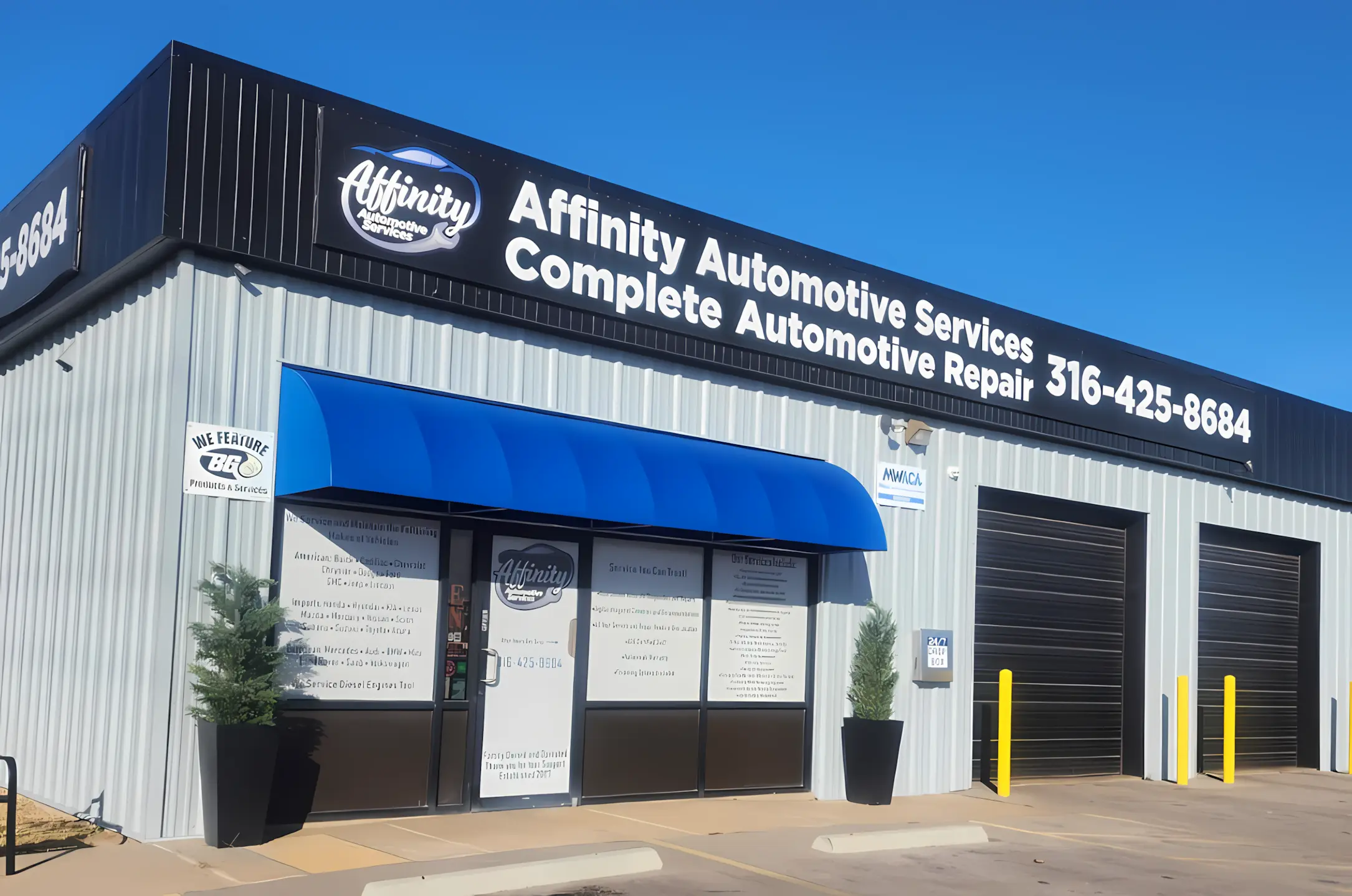
If you’re weighing your options and want to talk through what’s realistic for your budget and timeline, our team at 2606 W Pawnee in Southwest Wichita is happy to help. You can reach us at (316) 425-8684 to ask questions before you ever commit to a repair plan.
Transmission Fluid Service and Preventative Maintenance
A huge percentage of transmission problems can be avoided entirely with regular fluid service. Transmission fluid does more than lubricate. It also cools internal components and carries the hydraulic pressure that makes shifting possible. Once it breaks down, your transmission works harder and wear accelerates fast.
One thing a lot of drivers ask us is whether they need a flush, a drain and fill, or a fluid exchange. The honest answer is: it depends on what’s actually in there. Before we recommend a flush, we check the fluid condition first, including looking for metal flakes or debris. If those are present, running a flush could push contaminated fluid through the system and accelerate internal damage rather than prevent it. Evaluating the fluid before choosing a service type is a step a lot of shops skip, and it matters.
As part of preventative maintenance, we use BG products for transmission fluid services, backed by a lifetime warranty on the service. Most manufacturers currently suggest a fluid service interval around every 45,000 miles, but having the fluid checked more frequently gives us a chance to catch it before it’s overdue. To qualify for the BG Lifetime Protection plan, the initial service needs to be completed by 60,000 miles and started at or before 30,000 miles, with services maintained on a 30,000-mile interval going forward. Staying on top of this is one of the simplest ways to protect your transmission from the kind of damage that costs thousands to fix.
Why Wichita Families Choose Affinity Automotive Services
We started this shop because Mark believed there should be more good, honest technicians in this industry, and that belief still guides everything we do today. We’re a family-owned business right here in Southwest Wichita, and every vehicle that comes through our doors gets looked over like it belongs to one of our own.
- Real Transmission Testing, Not Guesswork: We use factory-level scan tools and road testing to find the exact cause of your shifting concern before recommending any repair.
- Customized Repair Plans: We explain what we found in plain language and build a plan around your budget, so you can prioritize what’s urgent and plan ahead for what isn’t.
- Backed by a Real Warranty: Repairs are covered by our in-house 3-year/36,000-mile warranty, with a 2-year nationwide warranty available through ProVantage.
- Convenience Built In: Loaner cars with approved repairs, shuttle service, and early and late drop-off options help keep your family moving while your vehicle is in our hands.
- ASE Blue Seal Recognized Shop: We hold ourselves to the standard of the ASE Blue Seal of Excellence Program, and we’re active members of MWACA right here in the Wichita automotive community.
We’ve been the shop people call when they aren’t sure what to do next, and we’d love for that to be true for your family too.
FAQs About Transmission Repair and Health Evaluations in Wichita
What are the signs of a failing transmission?
Common signs include slipping gears, delayed shifting, grinding noises, burning smells, and reddish fluid spots under the vehicle. If you notice any of these, schedule a transmission health evaluation so our team can find the exact cause early.
Should I replace or rebuild my car’s transmission?
It depends on how extensive the internal damage is, which is exactly what our testing process is designed to determine. We’ll help you weigh your options and choose the path that fits your vehicle’s condition and your budget.
How often should I change my transmission fluid?
Suggested fluid service intervals have changed over the years and currently sit around every 45,000 miles, but we recommend having the fluid condition checked more frequently so we can catch it before it’s overdue. If you’re maintaining the BG Lifetime Protection plan, the initial service needs to start at or before 30,000 miles and must be completed before 60,000 miles to qualify, then maintained every 30,000 miles from there. We can review your vehicle’s history and help you stay on the right schedule.
Can I still drive my car if the transmission is slipping?
Driving with a slipping transmission risks turning a minor issue into major internal damage, so it’s best to get it looked at quickly. We can typically get you in for a health evaluation to catch the problem before it grows.
What does a transmission health evaluation involve?
It combines road testing, fluid checks, and electronic testing with factory-level scan tools to pinpoint the exact cause of a shifting issue, so we can build an accurate, honest repair plan for your vehicle.
Should I flush, drain, or exchange my transmission fluid?
It’s one of the most common questions we get, and the honest answer is: it depends on what’s actually in the fluid. Before we ever recommend a flush, we check the fluid condition first, including looking for metal flakes or debris. If those are present, a flush could push contaminated fluid through the system and prematurely cause internal damage. Evaluating the fluid before choosing the right service type is a step that makes a real difference in the outcome.
Schedule Your Transmission Repair in Wichita, KS Today
Shifting problems rarely fix themselves, but they also don’t always mean you need a brand-new transmission. A real testing process is what tells the difference, and it’s the fastest way to get an honest, affordable path forward for your family’s vehicle.
If you’ve been searching for transmission repair near you in Wichita, give us a call. Affinity Automotive Services is located at 2606 W Pawnee in Southwest Wichita, and you can reach our team at (316) 425-8684 to schedule your transmission health evaluation today.